

COMPANY HISTORY
The Carrillo family brings more than 80 years of combined, hands-on experience in the concrete industry. Across three generations, Hector Carrillo Sr., Hector Carrillo Jr., Hector Carrillo III, Daniel Carrillo Sr., and Daniel Carrillo Jr. have worked in every phase of concrete construction from form setup and placement to complex structural and cantilever applications.
Concrete work is unforgiving. Precision in forming, attention to detail, and thoughtful problem-solving are what separate a passable result from a durable, high‑quality finish. Over decades of building foundations, custom steps, and structural concrete features, the Carrillos developed a deep understanding of where traditional methods fall short and where innovation was needed.
Serving thousands of satisfied customers, the Carrillos consistently delivered clean finishes and long-lasting results. But pushing custom concrete to a higher standard required more than experience alone, it required improving the tools used at the most critical stages of the work.
THE CORDLESS METHOD
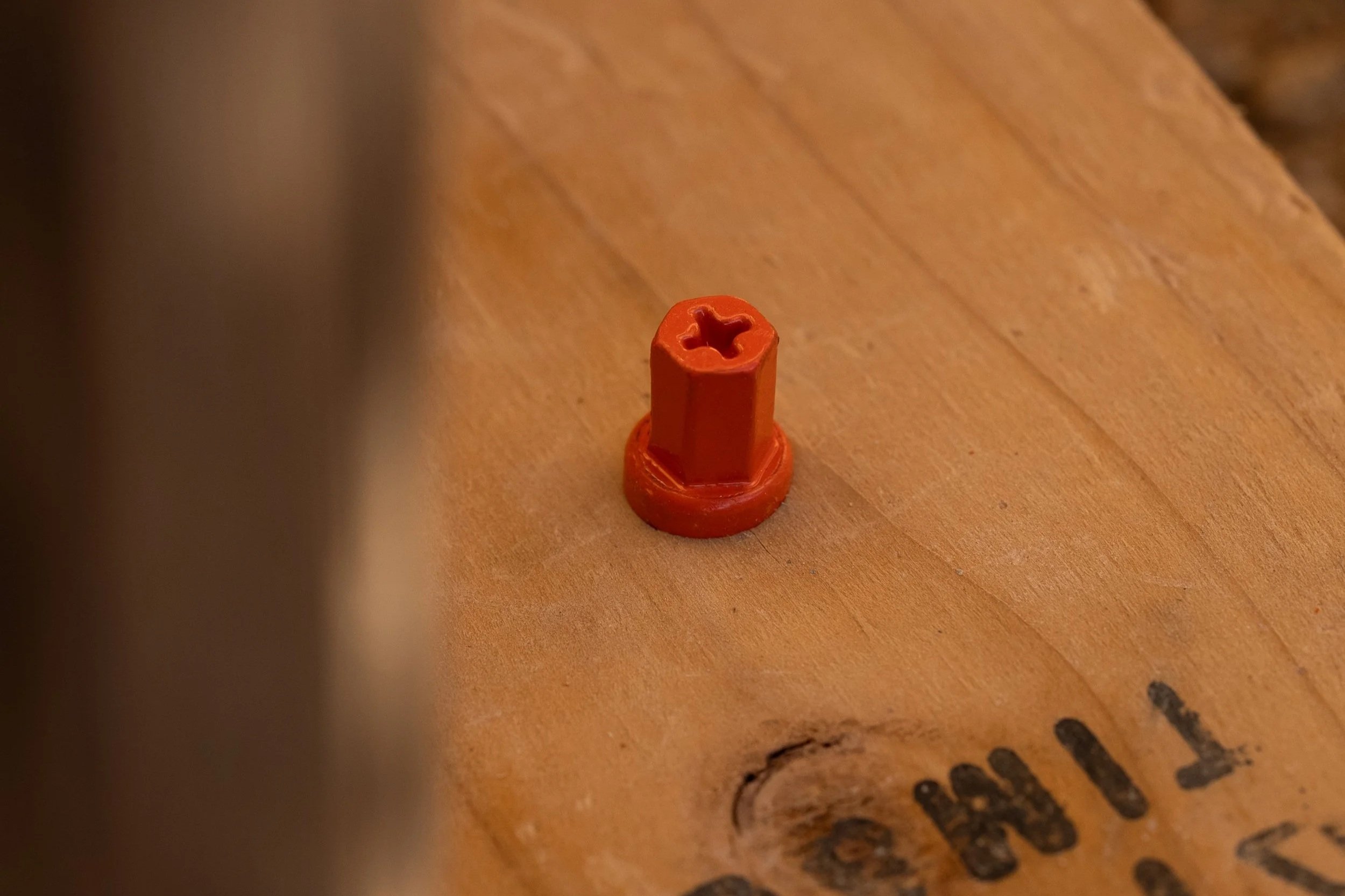
The introduction of the cordless screw gun changed concrete forming. Screws replaced nails for many contractors because they allow faster installation, greater control, and cleaner removal. Most importantly, screws reduce the force required to strip forms, minimizing pressure on fresh concrete.
The Carrillos adopted this method early, recognizing its advantages over traditional nails. However, standard single‑head screws introduced a new set of challenges. Screw heads frequently become countersunk, buried under concrete slurry, or difficult to locate during removal. Temporary fixes (such as taping over screw heads) proved inconsistent and time-consuming.
While screws were a step forward, the method still lacked a purpose-built solution for concrete forming.
PRODUCT HISTORY
Forming concrete has always required temporary structures and reliable fastening methods. For centuries, builders relied on hammers and nails to assemble forms, including single-head and later double-head nails designed to ease form removal.
While double‑head nails improved accessibility, removing forms still required significant force. That force often transferred to the fresh concrete, causing surface damage, broken edges, or complete tear-outs; resulting in costly rework and compromised results.
As cordless screw guns became standard, many contractors transitioned to screws for form assembly. Screws offered better control, faster installation, and cleaner removals. However, traditional single-head screws introduced new problems: countersinking, buried heads, concrete spill-over, and difficult removal. Temporary fixes like taping screw heads proved unreliable and inefficient.
The need for a better solution was clear.
THE DOUBLE-HEADED DRIVE SCREW
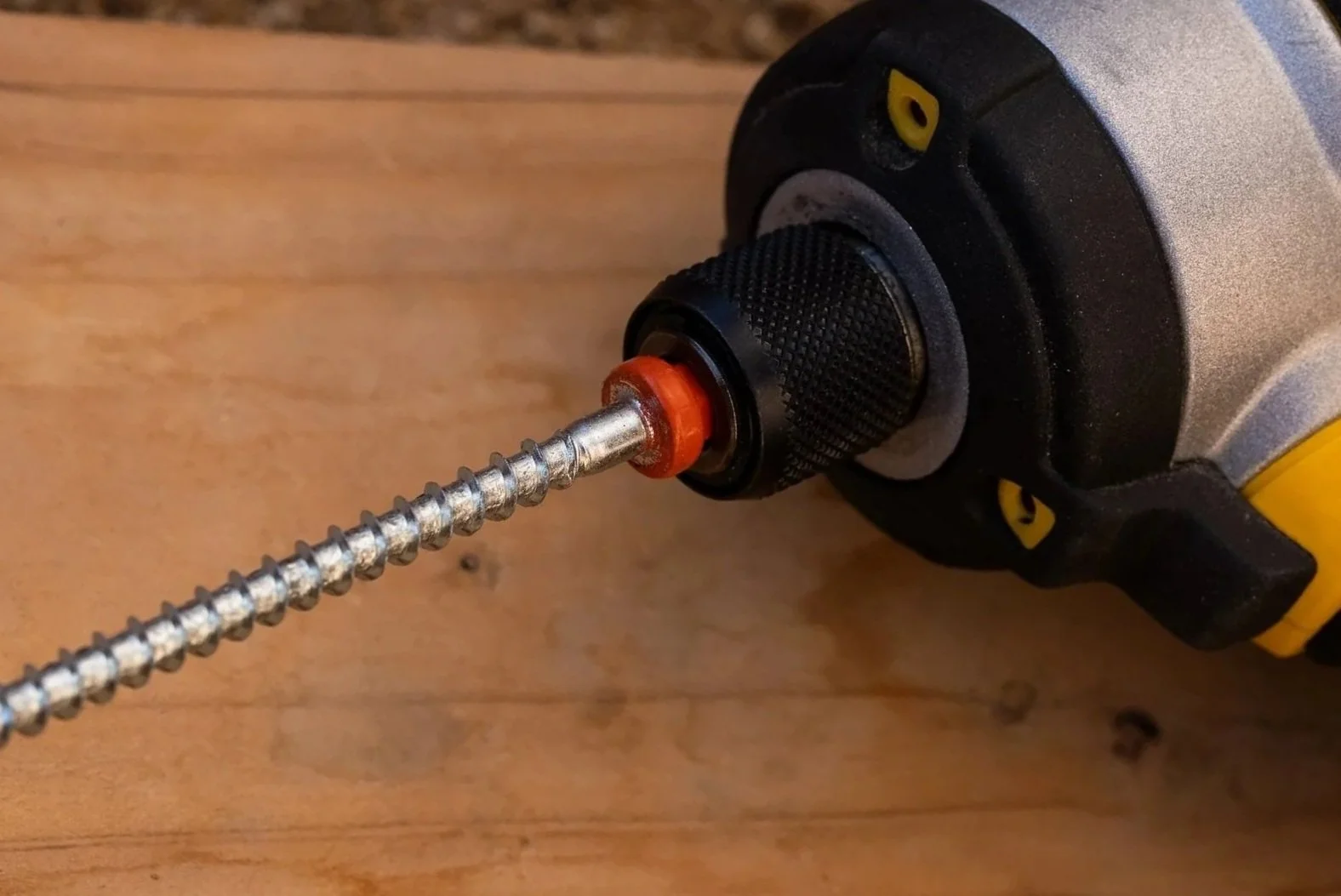
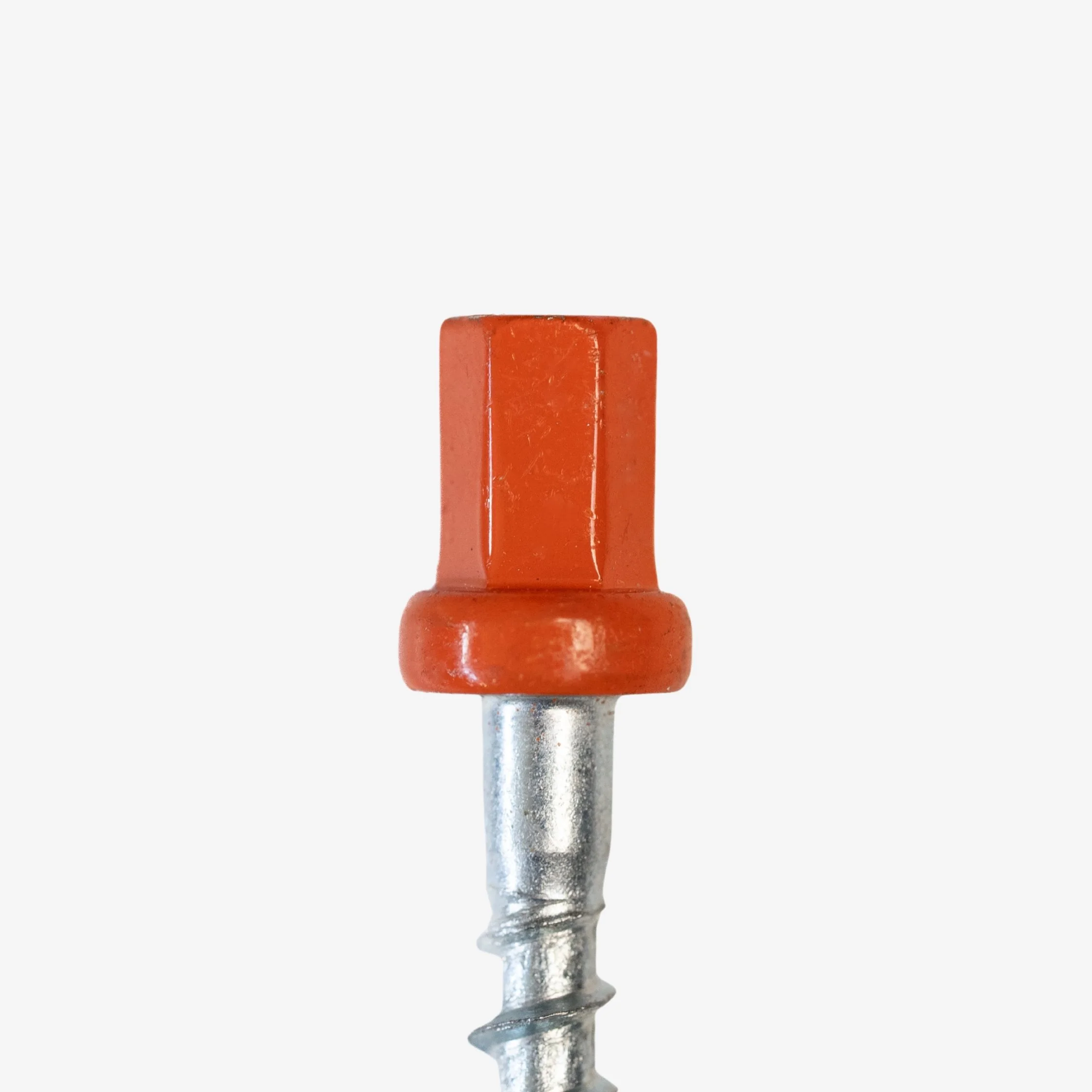
The Carrillo Drive Screw was developed to solve these longstanding forming challenges. It is a double‑headed screw designed specifically for concrete forming applications, combining the accessibility of a double-head nail with the control and reliability of a screw.
Key advantages include:
Easy identification and removal after pours
Reduced pressure on green concrete during form removal
Faster disassembly with less risk of surface damage
Reusability, unlike traditional nails
The result is cleaner finishes, fewer failures, and significant time and cost savings on the jobsite.
While originally designed for concrete forming, the Carrillo Drive Screw has broad applications across construction and beyond - anywhere assemblies must be installed securely and removed cleanly. This includes temporary structures, film and stage production, convention displays, automotive installations, and household projects where stripping or damaged fasteners are common problems.
OUR TEAM
With over 80 years of combined experience, Hector and Daniel Carrillo have spent their careers working in concrete construction and form setup. Licensed contractors since the early 1980s, they identified recurring failures in traditional fastening methods and developed a practical solution through extensive jobsite testing. Their double‑headed screw design was patented on February 3, 2009.